Karate and Martial Arts School in Connecticut
There are many reasons that people join us, some want to learn to fight, others want to get a good workout or learn our katas and how to use weapons. Whatever your reason, there is a path for you here to pursue that. Karate is a way of life, it only begins, and never ends.
At Kanreikai Karate of Connecticut we follow the teachings of grand masters Mas Oyama, Shigeru Oyama and Manny Matias. These teachings are essential part of the World Kanreikai Karate Organization.
Sensei Chris Goncalves and the team at Kanreikai Karate of Connecticut is leading the path to always help our students accomplish their personal goals. The team’s focus is to continuously promote our traditional Japanese karate style, the health, and mental benefits. We are here to guide students to reach beyond what they thought their limits were.
We invite you to stop by our dojo to learn more about us and learn what makes us different. Understand our code of conduct, the Japanese terminology we use at the dojo, how we promote our students using our ranking system (tips and belts). Learn more about our Grand Master, Chief Instructor, and Instructors, and have a tour of our dojo.
GRAND MASTER
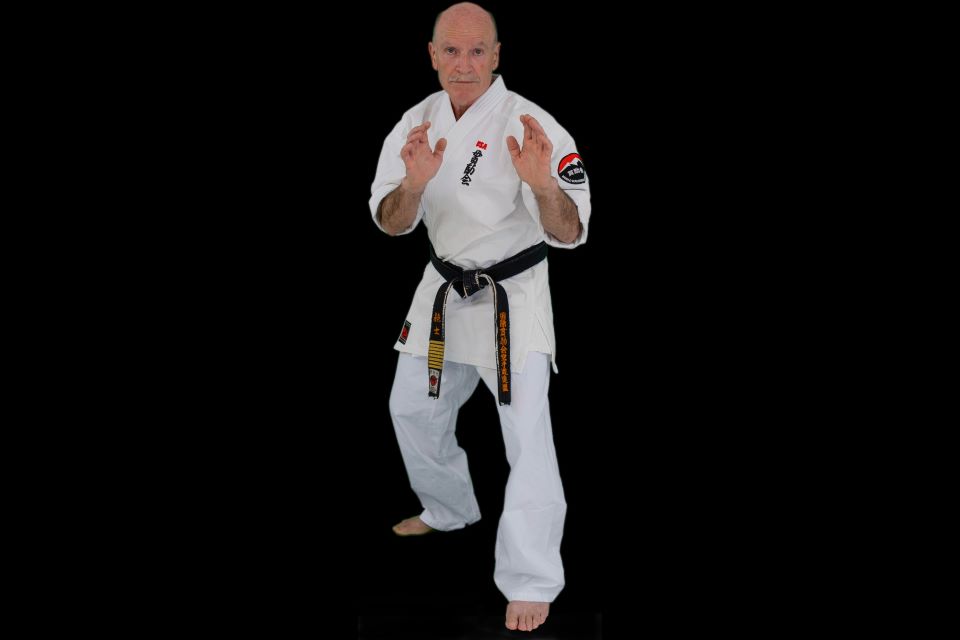
CHIEF INSTRUCTOR
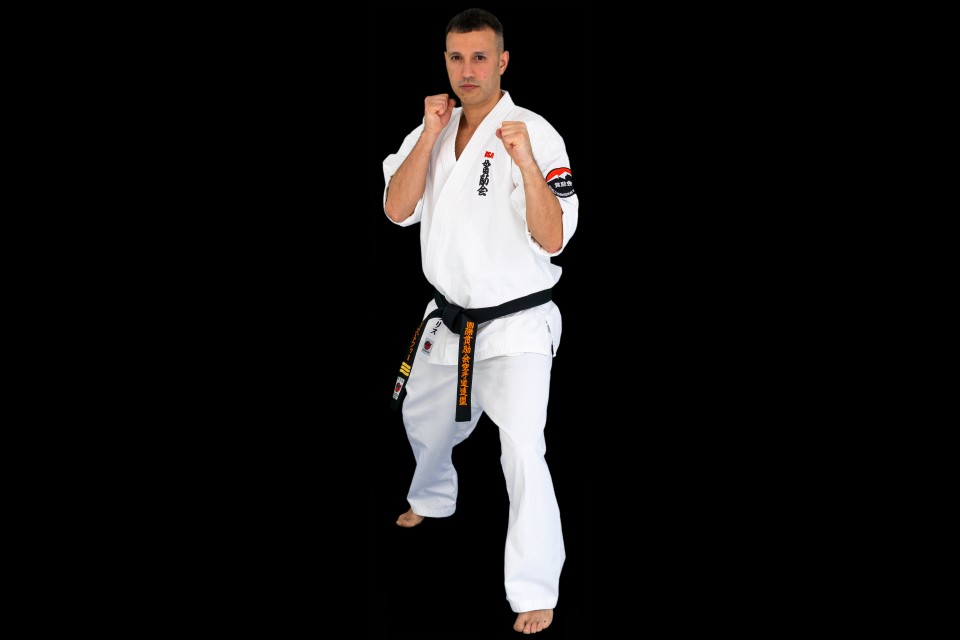
TEAM OF INSTRUCTORS
RANKING SYSTEM
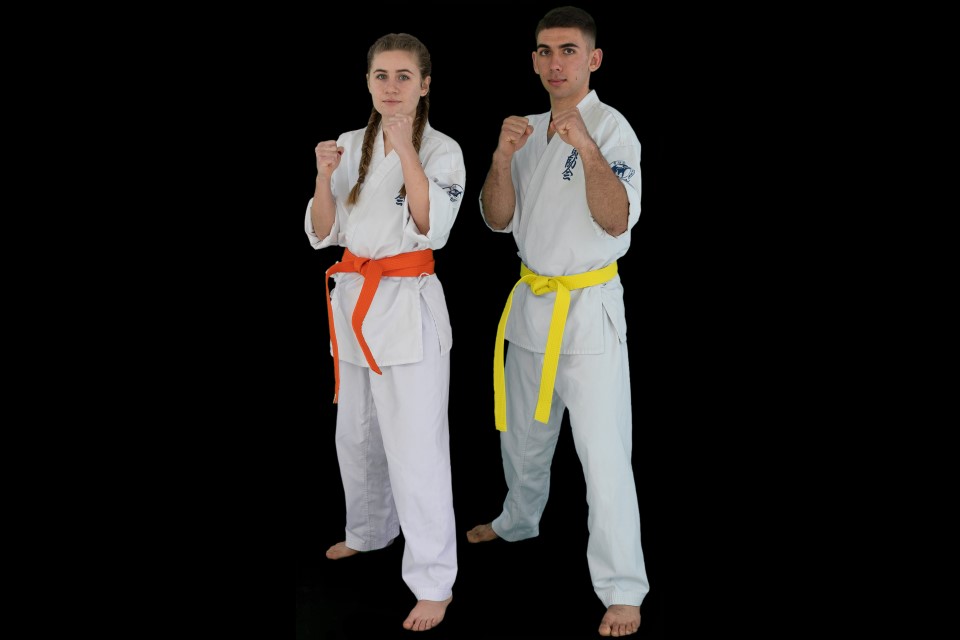
Welcome to Kanreikai Karate of Connecticut
At Kanreikai Karate of Connecticut and at all World Kanreikai Karate schools, we teach and practice traditional full contact Japanese karate which includes building a foundation for fighting in real life situations. We also teach face contact karate, katas, weapons, self-defense, throws and takedowns. Depending on the students goals we adjust to make sure they receive the type of training they are seeking. We have been at the same location since 1993.
Kanreikai Karate of Connecticut differentiates itself from other schools because we are a true martial art. We start with basics techniques and advance through our belt system learning katas, weapons, self-defense, sparring, but most importantly, self-respect and respect for others. The way we carry ourselves in the dojo is also required outside our dojo to be part of our organization.
We instill and require respectful behaviors from all our students regardless if they are beginning their journey at a young age or are beginning as an adult. These rules are consistent with our core values of our traditional Japanese art.
Below is more information about us, what conduct we expect of our students at the dojo and some of the Japanese terminology used by us.
- KANREIKAI – What does it mean?
- OSU! – Why do we use this word?
- DOJO RULES – What is expected when you join our school.
- JAPANESE GLOSSARY – What we teach our students in Japanese.
The meaning behind our organization’s name has been chosen with consideration and signifies the values and principles of our leaders, instructors, and students:
- KAN – Reach beyond your limits
- REI – Develop your skills to the fullest
- KAI – Group Together
Training together is not enough; our teachers create an environment where we support each other to develop and expand our skills, always strive to reach beyond what we thought were our limits!
At Kanreikai Karate of Connecticut we follow the lead and teachings of our Grand Master Hanshi Manny Matias. Our goal is to develop our students individually, focus on their physical abilities, help them with confidence, concentration for their training at the dojo and to help with their everyday life responsibilities. The hard work that is put in every time we train together gets students one step closer to their goals with our support system from instructors and their fellow students. It Is our intention to always push each other, work towards our personal goals and never give up or lose sight of our dreams!
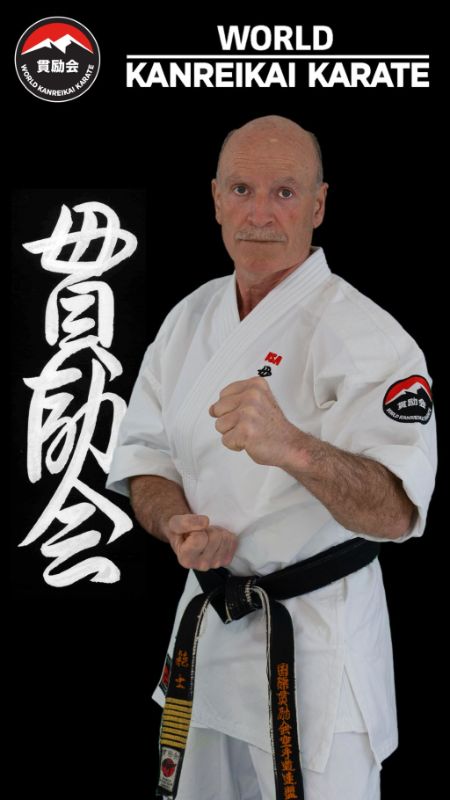
You will hear this term constantly used by our instructors and students. It embraces the fundamental principles of our martial art and signifies patience, respect, and appreciation.
- Patience
- The practice of karate requires effort, perseverance, and patience. Each promotion must be earned through hard work and determination, no matter the time it takes. Karate is not a “race toward a black belt” but rather a constant effort to improve oneself.
- Respect
- Every student displays self-respect by training seriously and regularly. The student also shows respect toward his instructor and fellow students, generating mutual respect.
- Appreciation
- The word Osu! translates the student’s appreciation toward his instructor and the other students; it is a way to say, “thank you”. This word also evokes your belonging to the dojo, your unity and support.
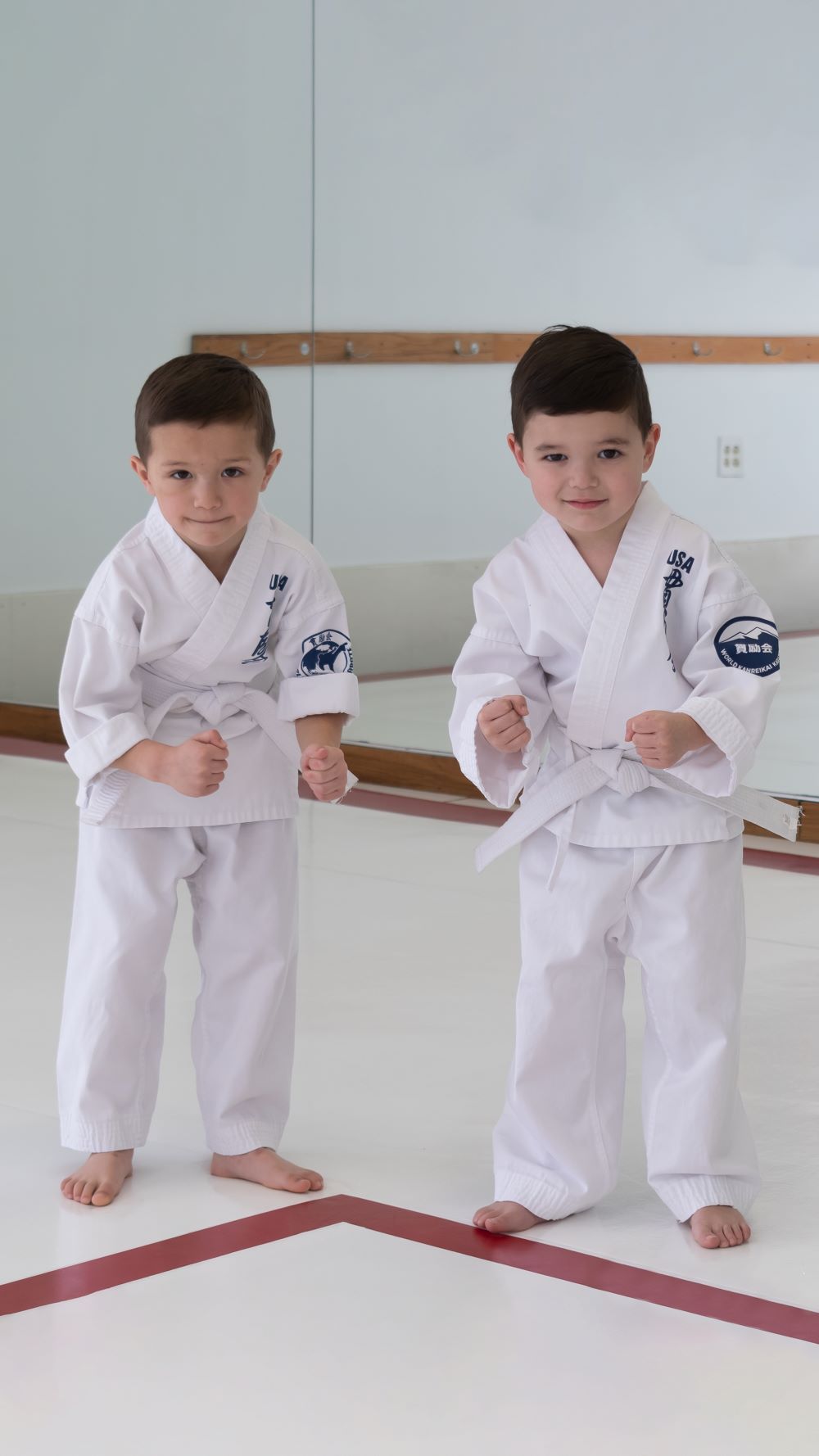
Our DOJO KUN ensures a respectful, safe, and orderly environment. By observing this code, each student contributes to maintain our martial art’s fundamental values and optimizes his experience as a karateka.
- Bow and say “OSU!” when entering and leaving the dojo
- Express patience, respect, and appreciation by saying “OSU!”
- Address our Grandmaster as “Hanshi”
- Address the instructors of the dojo as “Sensei” or “Senpai”
- Address a Black belt karateka as “Senpai”
- Answer “OSU!” clear and loud when called by your name
- Swiftly line up in a straight line when called by the instructor at the beginning of a class
- Shake Hanshi, Shihan, Sensei or Senpai’s hand with two hands
- If showing up late, remain at the entrance of the dojo in a kneeling position (seiza) and wait for instructor to invite you to take place on the tatami
- When asked to withdraw from the tatami, kneel (seiza) along the wall of the dojo and wait for instructor to invite you to sit down (anza); quietly watch the training session
- Ask instructor permission to leave the dojo during a class
- Never use coarse or offensive language
- Make sure to wear a clean uniform (dogi)
- Keep fingernails and toenails short
- Do not wear shoes
- Do not wear jewels
- Do not eat, drink, or chew gum
- Do not fight without permission from the instructor
- Do not use fighting techniques outside the dojo – unless you absolutely need to defend yourself
- Do not use equipment or weapons without permission from the instructor
- Respect and correctly use equipment during training
- If you have a cold or a contagious illness, refrain from training until it is no longer contagious.
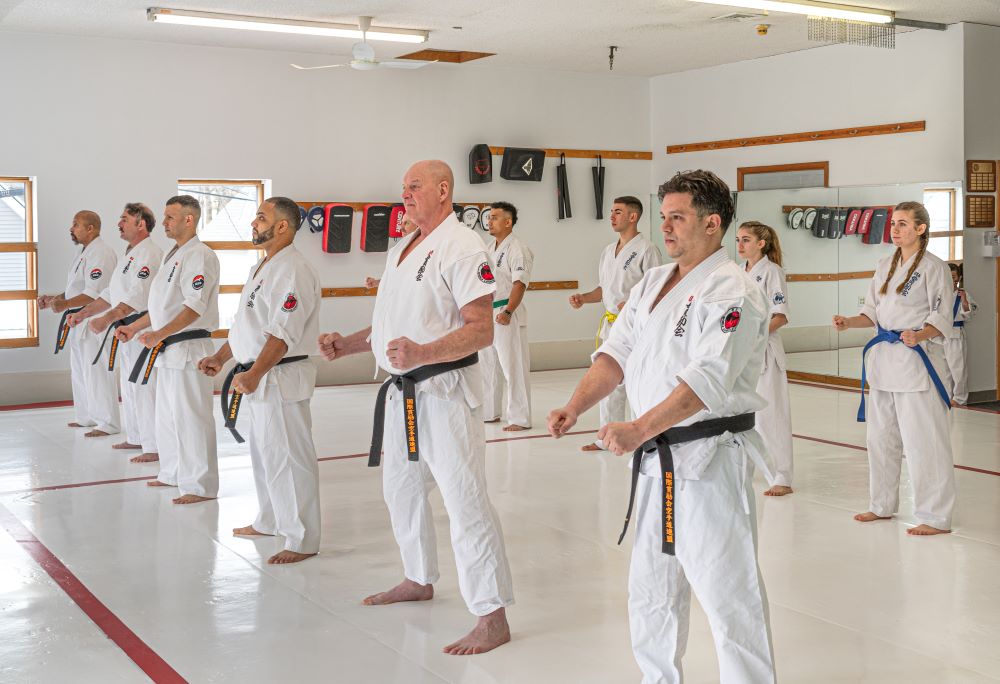
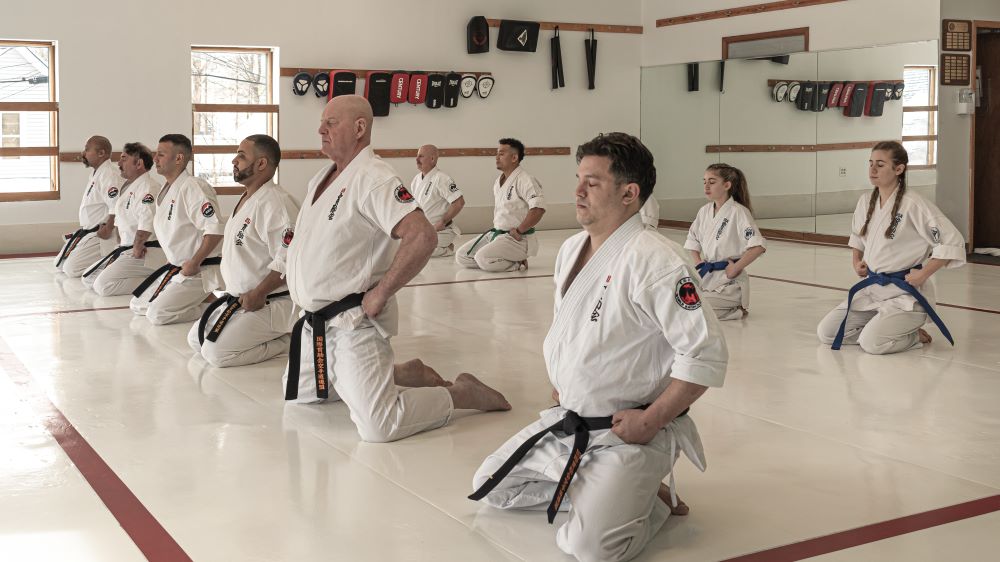
At Kanreikai Karate of Connecticut, we use Japanese words to count and describe the techniques we teach. Salutes and basic directives are also expressed in Japanese starting at the beginner level. Common to all World Kanreikai Karate schools, these Japanese expressions establish a sense of belonging and allow students from all Kanreikai schools to visit each other and train together.
- Japanese words and their meaning
| Anza | sitting position, relaxed, cross-legged with straight back |
| Dan | Black belt qualification level |
| Dojo | Room where martial arts are being practiced; martial arts school |
| Hajime | Start |
| Hanshi | Grand Master |
| Hidari | Left |
| Hajime | Left |
| Ibuki | Breathing out technique (a long exhalation followed by a short expiration) |
| Kamaete | Starting position |
| Karate | Japanese martial art practiced with bare hands and feet |
| Karateka | Karate practitioner |
| Kata | Imaginary fight |
| Kiai | Shout to concentrate power (power explosion) |
| Kiai Irete | Movement with a shout (Kiai) |
| Kihon Waza | Basic techniques |
| Kohai | Junior student relative to one’s qualification level (Kyu) |
| Kumite | Fight |
| Kyu | Qualification level (from White belt to Black tip) |
| Mawate | Turn |
| Migi | Right |
| Mokuso | Meditation |
| Naore | Return to starting position |
| Nidan | Second dan |
| Obi | Belt |
| Otagai | Each other |
| Rei | Salute |
| Sandan | Third dan |
| Seiza | Kneeling position, fists tight on hips, straight back (for salute and meditation) |
| Senpai | Senior student relative to one’s qualification level (Kyu); Black belt karateka |
| Sensei | Teacher in charge of the school |
| Shihan | Master |
| Shodan | First dan |
| Tatami | Training mat |
| Yamei | Stop |
| Yoi | Ready |
- Japanese numbers
| Ichi | 1 | ||
| Ni | 2 | Niju | 20 |
| San | 3 | Sanju | 30 |
| Chi (Yon) | 4 | Yonju | 40 |
| Go | 5 | Goju | 50 |
| Roku | 6 | ||
| Sishi (Nana) | 7 | ||
| Hachi | 8 | ||
| Ku | 9 | ||
| Ju | 10 | Kyaku | 100 |
- Salutations in Japanese
- Beginning of class:
- Hanshi Ni Rei – Mokusu – Mokusu Yamei, Shihan (Sensei, Senpai) Ni Rei
Salute to Hanshi – Meditation – End of meditation, salute to Shihan (Sensei, Senpai)
(Training starts)
- Hanshi Ni Rei – Mokusu – Mokusu Yamei, Shihan (Sensei, Senpai) Ni Rei
- End of class:
- Hanshi Ni Rei – Mokusu – Mokusu Yamei, Shihan (Sensei, Senpai) Ni Rei
Salute to Hanshi – Meditation – End of meditation, salute to Shihan (Sensei, Senpai)
(Training ends) - Sensei, Senpai Otagai ni Rei
Mutual salute between students, Senpai, Sensei
- Hanshi Ni Rei – Mokusu – Mokusu Yamei, Shihan (Sensei, Senpai) Ni Rei
- Beginning of class:
Dojo in Danbury, Connecticut
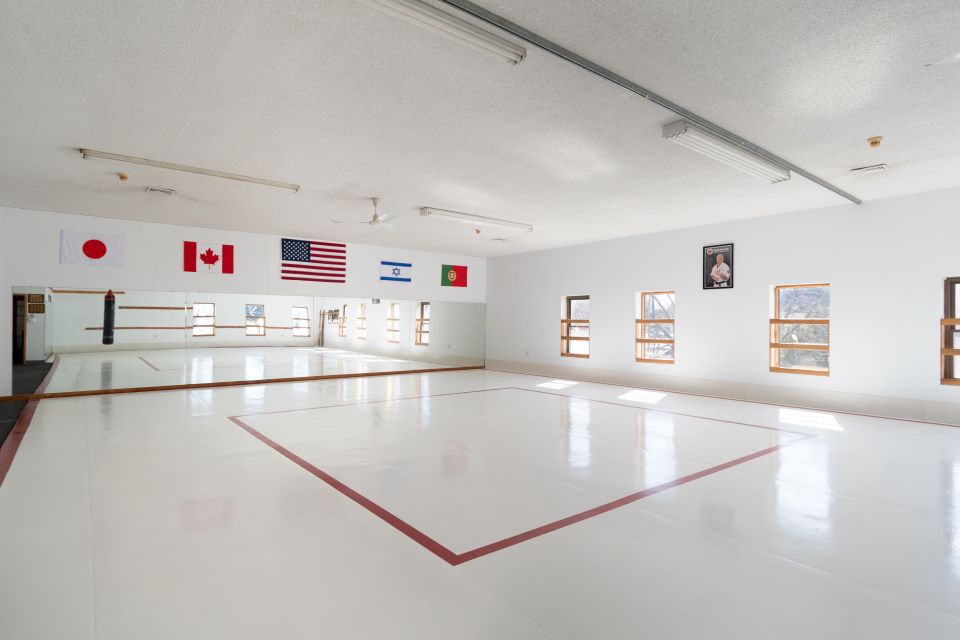
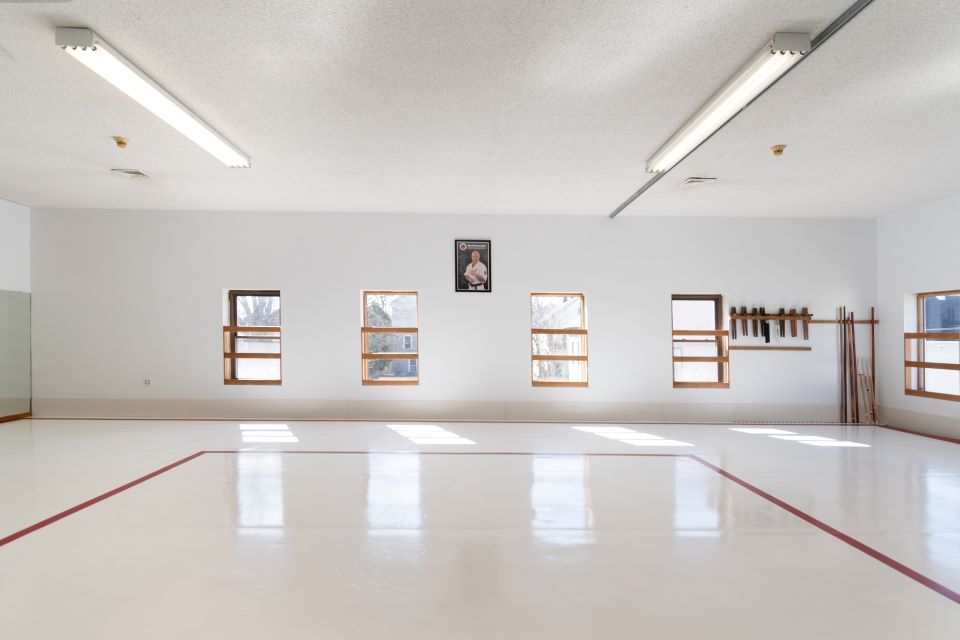
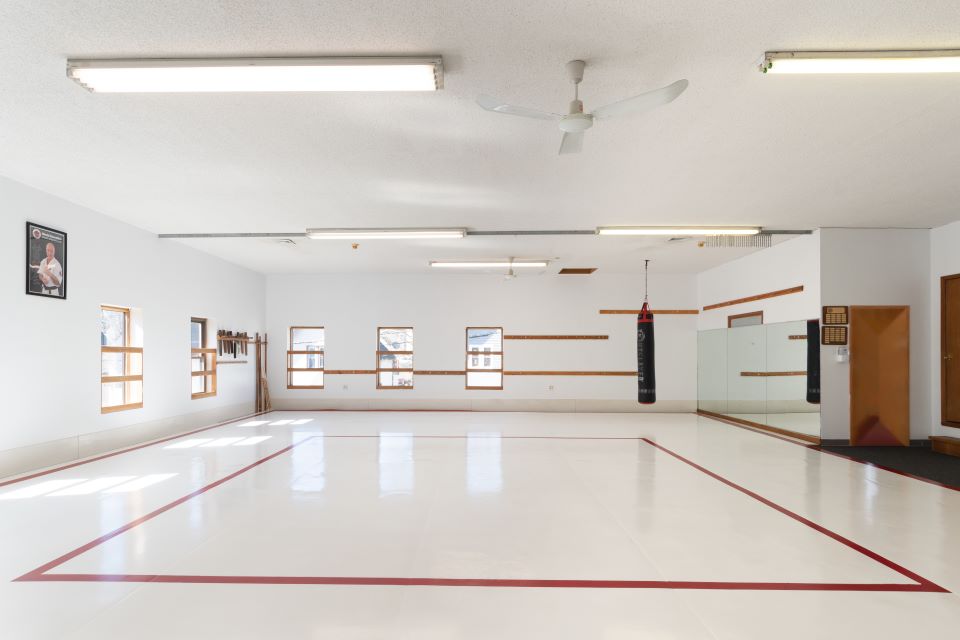
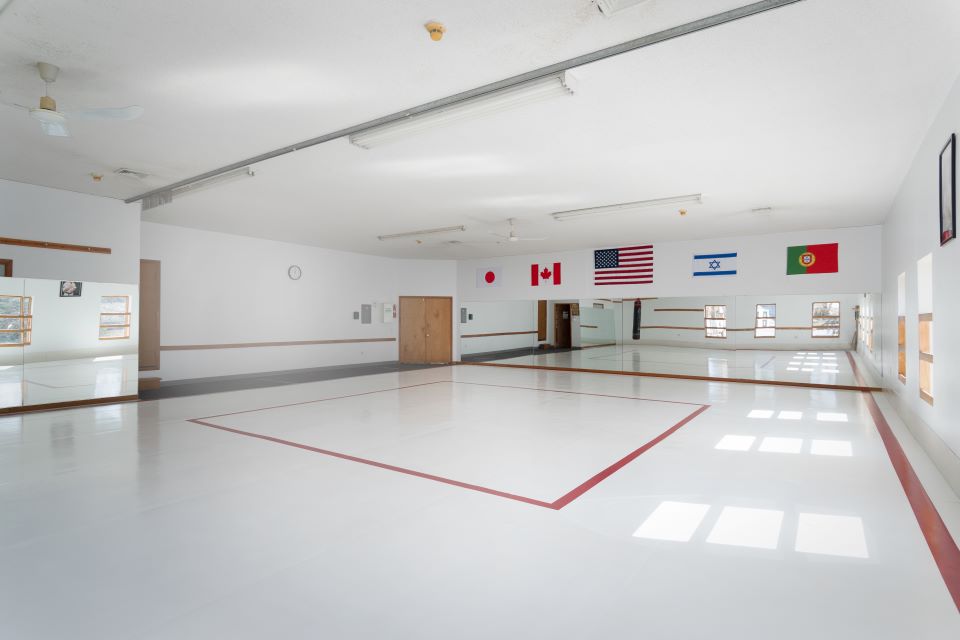
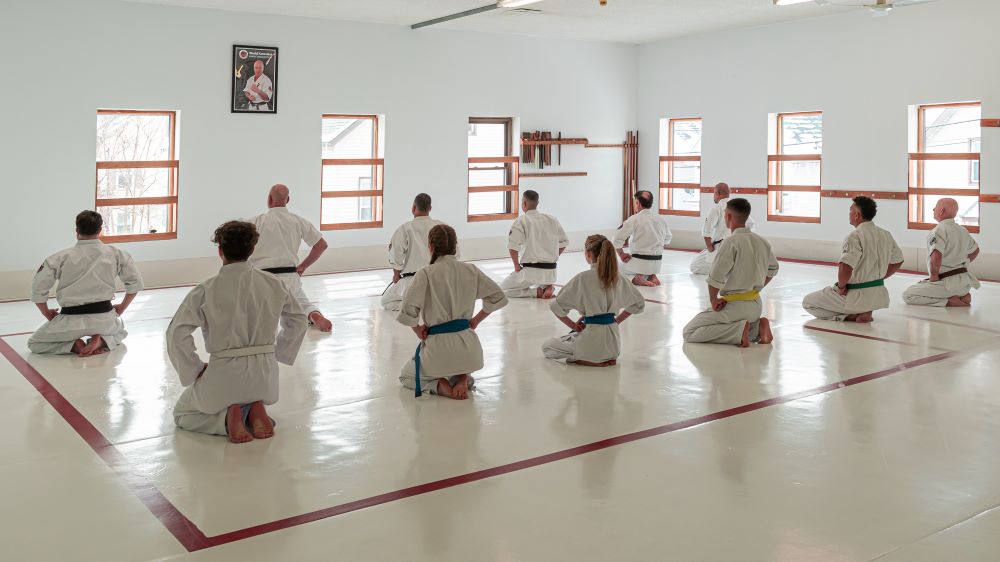
It is our pleasure to show you around our Danbury Dojo! You will see a spacious training area with full-size tatami, mirrors and windows, training equipment, changing rooms and a large and welcoming entrance. It is in this well-lit and well-ventilated room that our students meet to train in a friendly and respectful atmosphere. It is therefore with enthusiasm and pride that we invite you to join us!