

At Kanreikai Karate of Connecticut, respect is not a phrase. It is a standard.
Many parents hear their child say “Osu, Sensei” and assume that is where respect begins and ends. In reality, true respect in karate is deeper. It shows up in posture, listening, effort, and character both inside and outside the dojo.
In our martial art, respect is not demanded. It is practiced daily.
How Does Karate Teach Respect?
Karate teaches respect through structure, example, accountability, and tradition.
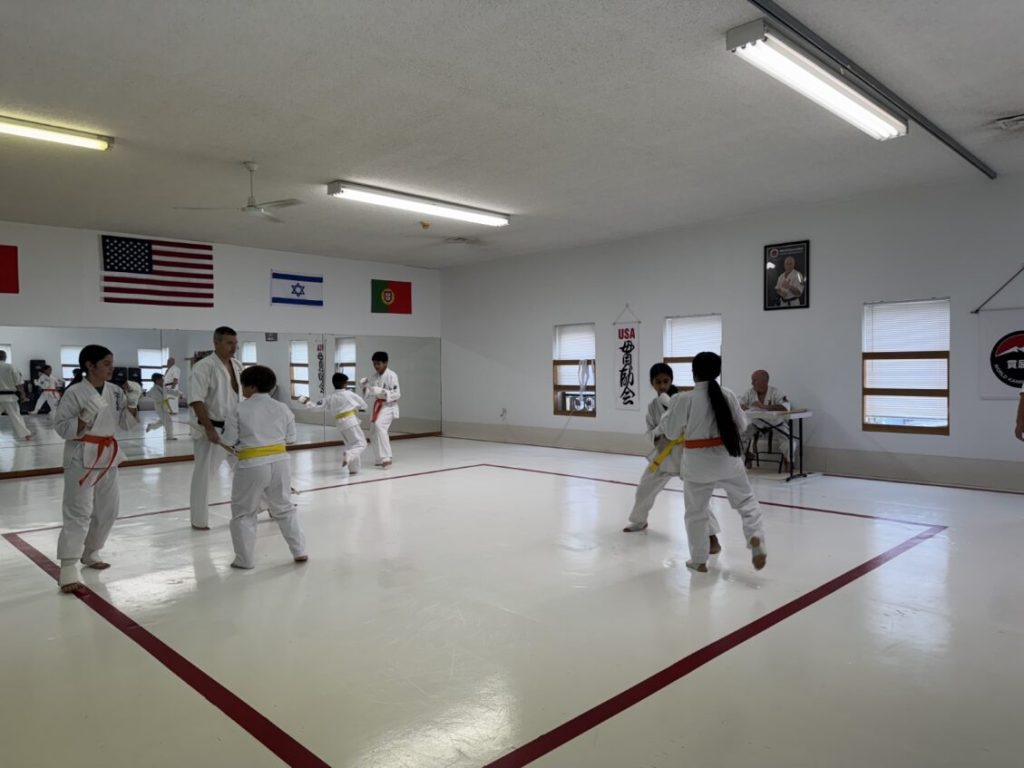
At our dojo, respect is built step by step through:
- Clear dojo etiquette
- Consistent correction and feedback
- A defined belt and rank system
- Partner drills and controlled spar
- Reflection and personal growth
Each class reinforces that respect is a vital part of the training.
The Role of the Sensei in Teaching Respect
The word sensei means “one who has gone before.”
At Kanreikai, the sensei is more than an instructor. He is a guide who models humility, discipline, and composure. Students bow when entering the dojo and when addressing the sensei because it reinforces awareness and gratitude.
When a student bows, they acknowledge:
- Appreciation for instruction
- Respect for tradition
- Readiness to learn
The sensei’s correction is never personal. It is a lesson in growth. Accepting correction without ego is one of the first steps in a student’s journey.
Martial Art Tradition and Cultural Context
Karate is a traditional Japanese martial art rooted in discipline and honor.
Understanding the cultural context matters. Bowing, lining up by rank, and formal commands are not empty rituals. They remind each practitioner that they are part of something larger than themselves.
This structure helps prevent lack of respect and sets clear behavioral expectations. In fact, structure and accountability are signs of an excellent karate school.
Respect in martial arts is learned through repetition, not reminders.
Belt, Rank, and Responsibility
The belt system is not about status. It is about responsibility.
Our belt and rank system reflects growth in both technique and character.
- A white belt learns fundamentals and proper attitude.
- A kyu student builds consistency and discipline.
- A dan rank understands leadership and humility.
- A black belt carries the responsibility of example.
Higher rank does not mean superiority. It means greater accountability.
During grading, students demonstrate more than physical skill. They demonstrate composure, focus, and respectful conduct. Advancement is earned, not given.
Respect While You Train and Spar
Karate is sometimes misunderstood as teaching students to fight.
In reality, students train to control themselves.
When students spar, they must balance intensity with restraint. They compete to improve, not to dominate. Showing control during a sparring exchange is often more valuable than landing a strike.
A disrespectful attitude during training is addressed immediately through calm correction and guidance. That reinforces discipline and reminds every student that attitude matters as much as ability.
This type of training builds emotional regulation and confidence. These habits connect directly to the mental benefits of martial arts.
Respect in karate means protecting your partner while pushing your limits.
The Dojo as a Character Classroom
The dojo is not just a mat. It is a classroom.
Students learn to:
- Arrive on time
- Maintain their uniform properly
- Bow before stepping on the mat
- Address the sensei and teacher correctly
These details shape habits. Over time, those habits extend beyond the dojo into school, home, and work.
We believe respect practiced consistently becomes part of a student’s identity. These martial arts principles carry into daily life and reflect the broader martial arts principles we teach.
Beyond the Mat: Respect as a Life Skill
Karate teaches students to overcome challenges without blaming others.
It teaches reflection after mistakes and humility after success. It teaches perseverance when training feels difficult.
A practitioner who internalizes these lessons develops:
- Confidence grounded in effort
- Calm under pressure
- Respectful communication
- Accountability
At Kanreikai, we believe respect is paramount, not only toward the sensei, but toward training partners, parents, and oneself.
Common Questions About Respect in Karate
Is saying “Osu, Sensei” enough?
No. Words without action are hollow. True respect is shown through effort, focus, and consistent behavior.
Why do students bow?
A bow symbolizes gratitude, readiness, and awareness. It reinforces tradition and mindfulness.
What happens if a student shows disrespect?
Disrespect is addressed immediately through calm correction. The goal is growth, not punishment.
Does karate build discipline?
Yes. Structure, repetition, and accountability build discipline over time.
Ready to Build Real Respect Through Karate?
If you want your child to learn more than just how to punch and kick, karate is the answer.
At Kanreikai Karate of Connecticut, we teach students how to:
- Show respect through action, not just words
- Accept correction with humility
- Develop discipline that carries into school and home
- Earn their progress through effort and character
Respect is not automatic. It is developed through consistent training, structure, and guidance from an experienced sensei.
If you are looking for a dojo that values integrity, tradition, and strong character development, we invite you to visit us.
Start your journey with us today!
Ready To Join Us On The Mat? Sign Up For Our 1 Week Free Trial!
Are you eager to start your karate journey? There’s no better time than now! We’re excited to offer a special 1 week free trial for new students. Here’s what you can expect:
- A welcoming and supportive environment for all ages and skill levels
- Expert instruction from experienced, certified karate instructors
- A safe, clean, and well-equipped training facility
- A variety of class times to fit your busy schedule
- A fun and engaging curriculum that builds strength, discipline, and confidence
Don’t miss this opportunity to try karate risk-free for a full week. You’ll get a taste of the exciting world of martial arts and see firsthand how karate can benefit you or your child.
Signing up is easy! Simply click the URL below to get started. We can’t wait to welcome you to our dojo and help you begin your transformative karate journey.
Let’s get you started on the path to personal growth, physical fitness, and lifelong friendships. Join our karate community today!
