
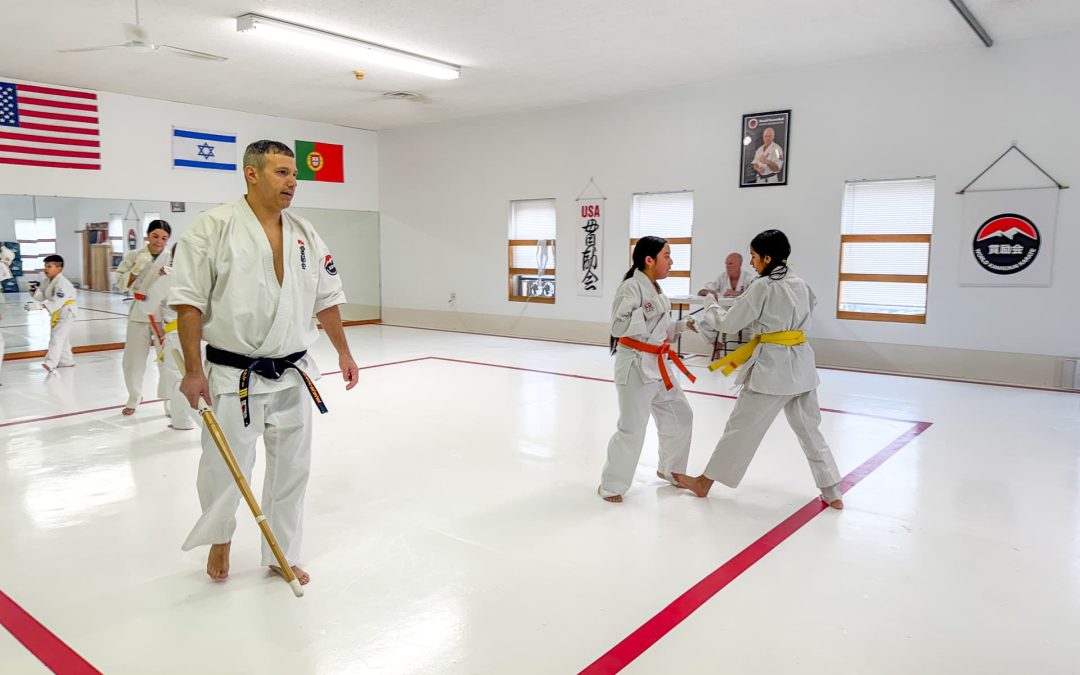
Martial arts are an excellent way for children to develop life skills, resilience, and physical fitness. However, behind every successful martial artist is the crucial role of parental support.
Parents play a pivotal role in ensuring their child’s martial arts journey is not only enjoyable but also transformative. Whether your child is just starting karate or working toward earning a black belt, your involvement can make a significant positive impact on their progress and personal growth.
Why Parental Support Matters in Martial Arts
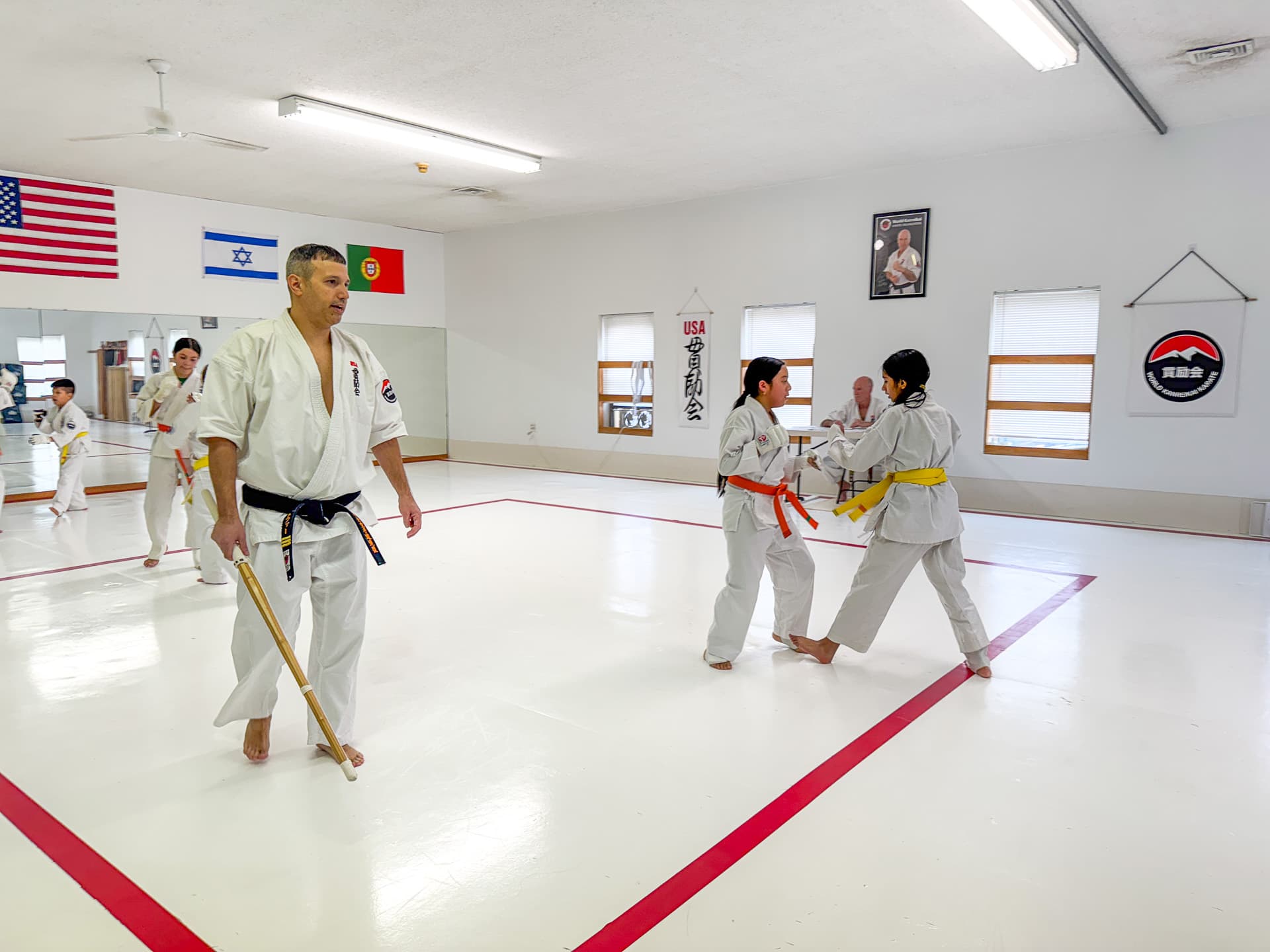
Parental support is essential in a child’s martial arts training. It fosters a sense of accomplishment, helps children stay motivated, and strengthens the parent-child bond.
Martial arts is more than just physical combat. It teaches children perseverance, discipline, and respect, which are applicable to all areas of life. By actively supporting your child’s martial arts journey, you empower them to face life’s challenges with confidence and resilience.
The Key Role of Parents in Karate Training
In karate and other martial arts disciplines, parents can help their children by:
- Attending classes: Being present during martial arts lessons shows your child that you value their efforts.
- Encouraging practice at home: Reinforce what they have learned in class by creating a positive learning environment at home.
- Providing emotional support: Celebrate achievements such as earning a new belt or mastering a new technique to foster a lifelong love for martial arts.
How Parents Can Support Their Child’s Martial Arts Development
1. Set Achievable Goals Together
Help your child set realistic goals for their martial arts training. Whether it is attending a certain number of classes or mastering specific techniques, having clear objectives can motivate children to continue their journey.
2. Encourage Perseverance and Resilience
Martial arts teach children to overcome obstacles and embrace challenges as learning opportunities. Encourage your child to keep going when they face setbacks, reminding them that resilience is important both on the mat and in life.
3. Practice at Home
Practicing martial arts at home can help reinforce lessons learned in class. Activities such as stretching, breathing exercises, or reviewing kata together can strengthen your child’s skills while creating quality time for parents and children.
4. Provide Emotional Support
Karate training can be demanding, so providing emotional support is crucial. Celebrate milestones such as earning a new belt or mastering a difficult move, and remind your child that progress takes time.
Creating a Positive Learning Environment
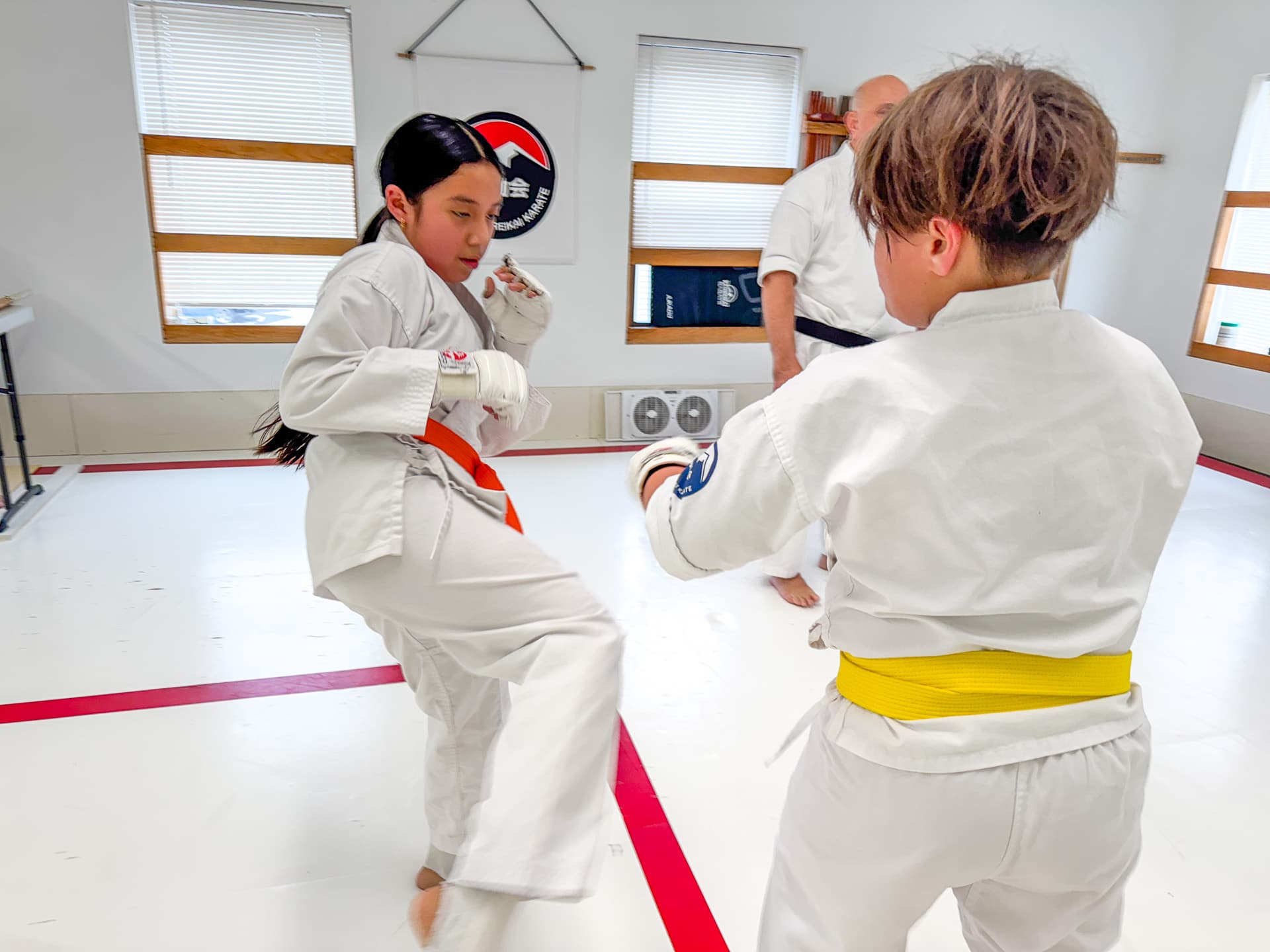
Parents who want to foster their child’s development in martial arts should focus on creating an encouraging atmosphere both at home and during classes. This includes:
- Helping your child develop a positive attitude toward training
- Ensuring your child gets proper rest and nutrition to support physical fitness
- Engaging with their instructors to stay informed about their progress
By doing so, you strengthen the parent-child bond while ensuring your child gets the most out of their martial arts experience.
The Lifelong Impact of Parental Support
The role of parents in their child’s martial arts journey extends far beyond the dojo. Martial arts lessons teach children life skills such as perseverance, respect, and discipline—qualities that can last a lifetime.
By actively supporting your child’s progress, you help them develop not only as martial artists but also as resilient individuals ready to face life’s challenges.
Remember that martial arts is a journey, not a destination. With your guidance and encouragement, your child can cultivate a lifelong love for martial arts while building the confidence and character needed to succeed in all areas of life.
Martial arts empower children to grow physically and mentally, but it is the support of parents that truly makes the journey meaningful.
Help Your Child Begin Their Karate Journey
Give your child the opportunity to build confidence, discipline, resilience, and physical fitness in a welcoming and supportive environment.
Ready To Join Us On The Mat? Sign Up For Our 1 Week Free Trial!
Are you eager to start your karate journey? There’s no better time than now! We’re excited to offer a special 1 week free trial for new students. Here’s what you can expect:
- A welcoming and supportive environment for all ages and skill levels
- Expert instruction from experienced, certified karate instructors
- A safe, clean, and well-equipped training facility
- A variety of class times to fit your busy schedule
- A fun and engaging curriculum that builds strength, discipline, and confidence
Don’t miss this opportunity to try karate risk-free for a full week. You’ll get a taste of the exciting world of martial arts and see firsthand how karate can benefit you or your child.
Signing up is easy! Simply click the URL below to get started. We can’t wait to welcome you to our dojo and help you begin your transformative karate journey.
Let’s get you started on the path to personal growth, physical fitness, and lifelong friendships. Join our karate community today!
